19 October 2026
Bicycle Accident Lawyer Advice for Dealing With Adjusters
Presented by @milojbal864
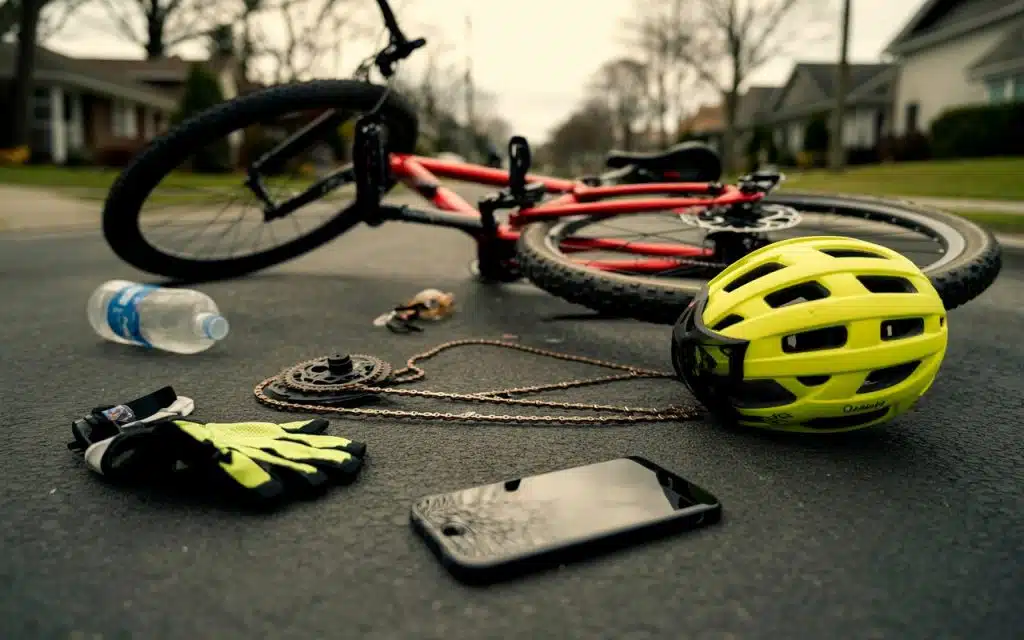
A phone call from an insurance adjuster often comes early, sometimes the same day as the crash, sometimes before you have even filled a prescription or had a bicycle shop inspect the frame. The tone is usually calm, polite, and reassuring. That can be disarming. People assume the adjuster is simply gathering facts so the claim can move forward. In practice, that first conversation can shape the value of the case, the timeline of treatment, and the defenses the insurer later raises.
This is where advice from a Bicycle Accident Lawyer tends to be the most useful. Not because every claim has to become a lawsuit, and not because every adjuster is trying to be hostile. It matters because the adjuster’s job is to protect the insurer’s money, and your job is to protect your health, your documentation, and your leverage. Those interests overlap only part of the time.
Cyclists are especially vulnerable to bad claim handling because bicycle crashes often look minor on paper while producing real injuries. A rider may walk away from a collision, exchange information, and think the worst is over. Then the wrist starts swelling, the neck stiffens overnight, and the shoulder injury that seemed manageable turns into months of physical therapy. At the same time, the bike itself may have hidden carbon damage or a bent fork that does not show up in a quick glance at the scene. Adjusters know this gap between appearance and reality. A good claimant knows it too.
Why adjusters move fast after a bicycle crash
The first week after a crash is usually the cheapest window for an insurer to resolve a claim. Medical records are incomplete. Lost wages are still uncertain. The rider has not yet learned whether symptoms will fade or persist. If there was road rash, a concussion, a wrist sprain, or lower back pain, there may be very little objective evidence in hand that day beyond an urgent care note and a few photographs.
That is why an adjuster may call quickly and ask for a recorded statement, broad medical authorization, or a conversation “just to understand what happened.” They are not necessarily doing anything improper. They are doing their job early, before the case fully develops. The problem is that injured cyclists often speak before they know enough to speak carefully.
A common example is the rider who says, “I’m feeling okay, just sore,” because they are trying to be polite and honest in the moment. Three days later, that rider is diagnosed with a fractured scaphoid, a cervical strain, and a concussion. The earlier remark does not end the case, but it gives the insurer a phrase to repeat later: you said you were okay. That sort of sentence becomes more expensive than most people realize.
Another example involves fault. Bicycle collisions happen fast. A driver turns across a bike lane, opens a door into traffic, drifts right while looking left, or claims they never saw the cyclist. The rider may feel pressure to be fair and say, “Maybe I was going a little fast,” or “I might have been in the blind spot.” Those comments can be turned into comparative fault arguments even when the driver clearly violated the cyclist’s right of way.
The first rule, do not let the adjuster set the pace
After a bicycle accident, there is usually no prize for speed from the injured person’s side. There is often a cost. If you speak too soon, agree too broadly, or settle too early, you can lock in a value before the true scope of harm is known.
That does not mean you should ignore the insurer. It means you should respond deliberately. Confirm basic logistics if needed. Verify the claim number. Ask for the adjuster’s full name, direct line, email, and mailing address. But resist the subtle pressure to “clear this up quickly” before you have medical clarity.
A Bicycle Accident Lawyer will often slow the process down in useful ways. That can include collecting the police report, securing witness names, obtaining scene photos, preserving helmet and bike evidence, reviewing traffic camera possibilities, and tracking treatment over time. The goal is not delay for its own sake. The goal is timing the claim to the evidence, not to the insurer’s preferred calendar.
What adjusters listen for in your statement
Adjusters are trained to listen for admissions, inconsistencies, and soft spots in the story. They also listen for what is missing. If you leave out symptoms, treatment, speed estimates, road conditions, lane positioning, or signals from the driver, those omissions can later be framed as https://www.google.com/maps?cid=12754349830689844018 evidence that the issue was not important.
Recorded statements are where this becomes dangerous. A recorded statement freezes your early version of events before you have reviewed the crash carefully. If you estimate distance poorly, describe traffic awkwardly, or forget a detail that later appears in witness testimony, the insurer may argue you are changing your story.
In bicycle cases, a few topics come up again and again. One is visibility. Was it dawn, dusk, or full daylight? Did you have front and rear lights? Were you wearing bright clothing? Another is lane position. Were you in the bike lane, the shoulder, the travel lane, or moving around a parked car? Another is speed. Cyclists are often asked to estimate miles per hour, but most riders cannot do that precisely under stress, especially after impact.
Then there is helmet use. Not wearing a helmet does not magically make a driver less at fault for causing the collision, but insurers may still try to use it as a damages argument in some injury scenarios, particularly head injuries. The legal impact varies by jurisdiction. The practical point is simple: do not improvise legal opinions on the call. State facts carefully and leave legal arguments for later.
The phrase that costs cyclists money: “I don’t need a lawyer”
Many people think saying this makes them seem reasonable. It usually makes them seem unrepresented. That changes the tone of the file.
Once the insurer believes you are handling the claim alone, the adjuster may become more assertive about quick settlements, broad releases, and narrow views of damages. That does not mean every self-represented claimant gets treated unfairly, but it does mean the insurer knows who is gathering evidence, who understands claim valuation, and who has the ability to pressure the file if negotiations stall.
A Bicycle Accident Lawyer changes that equation for several reasons. First, serious bicycle injuries are often undervalued by people who have never worked these cases. Second, bike-related damages are easy for insurers to minimize unless someone presents them correctly. A carbon frame, high-end wheelset, power meter, custom saddle, helmet replacement, cycling computer, torn kit, and shoe damage can add up quickly. Third, cyclists often have losses that do not show in a single emergency room bill, such as missed races, interrupted training, inability to commute by bike, reduced household function, or intermittent hand numbness that affects work.
The lawyer’s role is not just negotiating a number. It is building a claim that accurately reflects the rider’s life before and after the crash.
Medical authorizations deserve more caution than most people give them
An adjuster may ask you to sign a medical authorization so they can “gather records directly.” That sounds efficient. It is often broader than necessary.
A broad authorization can allow the insurer to rummage through years of unrelated medical history looking for prior complaints, alternative explanations, or anything they can use to reduce the value of the claim. If you had old neck stiffness from desk work, past physical therapy for a gym injury, prior anxiety treatment, or a remote shoulder issue from college sports, the insurer may try to connect those facts to your current symptoms whether the fit is fair or not.
There are proper ways to exchange relevant records. Usually the dispute is not whether records exist, but which records are truly related and how they are presented in context. A lawyer will often prefer to gather and review records before sending them on. That way, inaccuracies can be spotted, gaps can be addressed, and unrelated history can be handled with care rather than handed over wholesale.
This matters in bicycle claims because injuries are often subtle at first. Concussions may show up as headaches, light sensitivity, poor concentration, irritability, or sleep disruption. Hand and wrist injuries may be dismissed initially as sprains. Hip and low back pain may evolve as inflammation settles. If the insurer gets an early, raw snapshot without context, it may undervalue the case from the start and then spend months defending that low number.
Property damage is not just about the bicycle’s blue book value
Adjusters often treat bike damage like ordinary property claims. That approach can miss the real economics of cycling equipment.
A commuter bike with an aluminum frame and basic components is one thing. A road bike, tri bike, gravel build, or e-bike with upgraded components is another. Carbon damage can be structurally serious even when the frame looks superficially intact. A wheel that appears true at the scene may reveal spoke tension issues later. A helmet involved in a crash should generally be replaced, even if it looks intact. Shoes, pedals, sunglasses, clothing, lights, GPS units, racks, child seats, and bags all belong in the property damage discussion if they were affected.
The insurer may ask for a repair estimate. Get one from a reputable shop that understands post-crash inspections. In some cases, especially with carbon frames or forks, a replacement recommendation may be more defensible than repair. Good shop notes can be powerful. “Visible abrasion” is less useful than “impact damage near head tube, fork steerer integrity uncertain, manufacturer replacement recommended.” The more specific and professional the evaluation, the less room there is for the adjuster to treat expensive damage as cosmetic.
If the bike fit was custom, mention it. If specialized components had to be matched in a rebuild, mention that too. The practical replacement cost of a bicycle is not always captured by a generic online price search.
A short checklist for the first adjuster contact
When the adjuster reaches out, keep the interaction narrow and controlled.
- Confirm the adjuster’s identity, claim number, and contact information.
- Do not agree to a recorded statement on the spot.
- Do not discuss the full extent of injuries before evaluation and follow-up.
- Do not sign blanket medical releases without understanding their scope.
- Tell the adjuster you will respond after reviewing your records or after counsel is retained.
That is enough to protect yourself without being combative. You are not refusing the claim. You are refusing to guess.
The settlement trap that catches otherwise careful people
Early settlement offers can feel like relief. The bike is damaged, you missed work, the bills are coming in, and the adjuster sounds helpful. If the offer covers the urgent care visit and some property damage, many people are tempted to take it and move on.
The danger is finality. Most settlements require a release. Once you sign it, the bodily injury claim is usually over, even if symptoms worsen, new imaging reveals more damage, or surgery is later recommended. This is especially risky in bicycle crashes because some injuries declare themselves slowly. Wrist fractures can be missed initially. Labral tears do not always show up in the first visit. Post-concussive symptoms may intensify when the adrenaline wears off and normal cognitive demands return.
I have seen cases where a rider settled for what seemed like a fair amount based on an emergency room visit and a bruised ego, only to learn a month later that numb fingers were linked to a more significant cervical injury. At that point, the file was closed. The lesson is not that every claim should drag on for a year. It is that a claim should settle when the medical picture is reasonably known.
Fault is rarely as simple as the adjuster’s first summary
Many bicycle crashes involve a driver who says, “The cyclist came out of nowhere.” That sentence appears in police narratives and insurance notes with surprising frequency. It does not prove much by itself. Drivers say it after right hooks, left turns across traffic, unsafe passing, dooring, and lane encroachments. Sometimes what it really means is, “I did not look in the place I should have looked.”
A careful liability review often changes the bargaining posture. Skid marks, vehicle damage points, bike damage patterns, surveillance footage, app data, witness accounts, and street design all matter. A rider traveling straight in a bike lane can be fully visible and still be overlooked by a turning driver. A cyclist in the lane may be entirely lawful if the roadway conditions justify lane use. An adjuster’s quick oral summary should never be mistaken for the final liability picture.
Comparative fault is where many claims lose value. If the insurer can argue the cyclist was 20 percent, 30 percent, or 50 percent responsible, the numbers move sharply. That is why wording matters so much. Saying “I swerved” is incomplete if you swerved to avoid an opening car door. Saying “I wasn’t in the bike lane” is incomplete if the bike lane was blocked by debris, parked cars, or a turning vehicle. Context is the difference between a harmful admission and a lawful safety choice.
What a Bicycle Accident Lawyer often does behind the scenes
People sometimes imagine lawyers step in only when they are ready to fight. In reality, much of the value is built quietly and early.
A lawyer can identify all potential insurance coverage, which is not always obvious. The driver’s liability policy is one piece. There may also be umbrella coverage, employer coverage if the driver was working, uninsured or underinsured motorist coverage through an auto policy in the household, medical payments coverage, or coverage issues involving a rideshare or commercial vehicle. In serious injury cases, these details are not side notes. They shape strategy from the beginning.
Lawyers also frame damages more completely. That means organizing records, obtaining physician opinions when appropriate, documenting wage loss, presenting before-and-after functioning, and making sure the claim reflects not just treatment bills but the lived disruption. For a cyclist, that may include the inability to commute, train, race, lift a child, type comfortably, sleep through the night, or return to confidence in traffic.
Negotiation with adjusters is not just back-and-forth on a final number. It is deciding when to provide records, when to hold them, when to counter, when to wait for a medical milestone, and when the insurer is simply not negotiating in good faith. Experience matters because not every demand should be sent at the same time in the same form.
What you should document while the claim is developing
The strongest claims are often built from ordinary details gathered consistently. Keep a simple, dated record of symptoms, appointments, medications, missed work, activity limits, and notable setbacks. Write like a normal person, not like someone trying to impress a court. “Could not grip the brake on my right side today” is better than a generic note saying pain continues. “Headache started after 45 minutes on the computer” is useful. “Road rash sticking to shirt, sleep broken twice” is useful.
Photographs matter too. Take pictures of bruising as it evolves, of the helmet, of the bike from multiple angles, of torn clothing, and of the scene if available. Save receipts for out-of-pocket costs, from prescriptions and co-pays to taxi rides and replacement gear. If your job requires physical effort or sustained concentration, make notes about how the injury interferes with specific tasks.
This sort of documentation is not dramatic, but it fills the gap between sterile records and the real impact of the crash. Adjusters often discount what they cannot visualize. Good documentation gives them something concrete to evaluate, and if needed, something a jury could understand.
When to speak, when to wait, and when to push back
There is no universal rule that you should never talk to an adjuster. There are modest property damage claims where limited communication is sensible and efficient. There are clear liability cases with minor injuries where a rider can handle portions of the process carefully. But once fault is disputed, symptoms persist, treatment extends, or the insurer starts pressing for recorded statements and broad releases, caution should rise quickly.
A practical rule is to match the depth of your communication to the certainty of your knowledge. If you know the claim number and where to send repair estimates, say that. If you do not yet know whether the wrist pain is a strain or a fracture, do not speculate. If you have not seen the police report, do not argue about every detail of liability in a spontaneous call. If you are considering hiring counsel, do not negotiate a bodily injury settlement first and then assume the lawyer can clean it up later.
The strongest pushback is usually calm and narrow. You do not need speeches. You need boundaries. A simple response often works: I am still being evaluated, I am not prepared to give a recorded statement, and I will provide information once I have a clearer picture. That is not evasive. It is responsible.
Five mistakes that repeatedly hurt bicycle injury claims
Certain patterns show up in weak files, and they are remarkably consistent.
- Settling before the rider reaches a stable point in treatment.
- Giving a recorded statement while still in pain, medicated, or unsure of facts.
- Minimizing symptoms out of politeness or toughness.
- Failing to document bike damage and replacement costs properly.
- Assuming the adjuster will automatically include every obvious loss.
That last point catches people off guard. Adjusters pay what is presented and supported, not what they can vaguely infer. If the damaged cycling computer, helmet, bibs, prescription lenses, and follow-up orthopedic visits are not gathered into the claim, they can disappear in the noise.
The human factor matters more than people think
Cyclists often pride themselves on resilience. They get back on the trainer too early, downplay pain, skip follow-ups, and describe significant limitations as “annoying but manageable.” That mindset helps in sport. It can hurt in a claim.
Insurance files do not reward stoicism unless the evidence still captures the damage. If you are waking at night, avoiding traffic, unable to ride descents confidently, or struggling with hand numbness on a keyboard, those are real effects. They belong in the claim if they are true. A Bicycle Accident Lawyer who knows these cases will often spend time drawing that information out because injured riders frequently understate it.
There is also an emotional piece that does not fit neatly into billing codes. Many riders depend on the bicycle not just for recreation, but for routine, stress relief, community, and identity. Losing that for months can be a serious disruption. It should not be exaggerated, but it should not be erased either.
A good claim narrative is honest, specific, and patient
The best way to deal with adjusters is not aggression. It is disciplined credibility. Tell the truth. Be specific when you know something. Refuse to guess when you do not. Let the medical picture develop. Preserve the bike evidence. Document the everyday consequences. Be careful with releases and recorded statements. And if the injuries or liability issues are more than minor, get advice early from a Bicycle Accident Lawyer who understands how these claims are built.
That last part matters because bicycle cases are not just car cases with different scenery. Visibility arguments, road positioning, gear damage, commuting implications, and injury patterns all have their own texture. An experienced lawyer sees the traps sooner, frames the facts better, and knows when the adjuster’s “reasonable offer” is simply a cheap one delivered politely.
When the call comes, the adjuster already has a job to do. Make sure you do yours just as well.
CGH Injury Lawyers
2701 Lawrence St Suite 201
Denver, CO 80205, United States
Phone: +1 720-669-8062
FAQ About Bicycle Accident Lawyer
Who is at fault if a car hits a bicycle?
Fault depends on the evidence and the traffic rules that applied to the collision. A driver, cyclist, or another party may share responsibility. Police reports, witness accounts, video, and the physical evidence can help establish what happened. A collision with a car does not automatically determine legal fault.
Can you sue someone for hitting you on a bike?
You may have a claim when another person's negligent conduct causes your injuries and losses. The available evidence, applicable deadlines, insurance coverage, and any shared fault affect your options. A lawyer can review the circumstances and explain whether an insurance claim or lawsuit is appropriate; compensation is not guaranteed.
What percentage does an injury lawyer usually take?
There is no single percentage that applies to every injury case. Many lawyers use a contingency fee based on a share of the recovery, with the terms stated in a written agreement. Ask how the percentage is calculated, whether it changes during litigation, and how case expenses are handled before signing.